
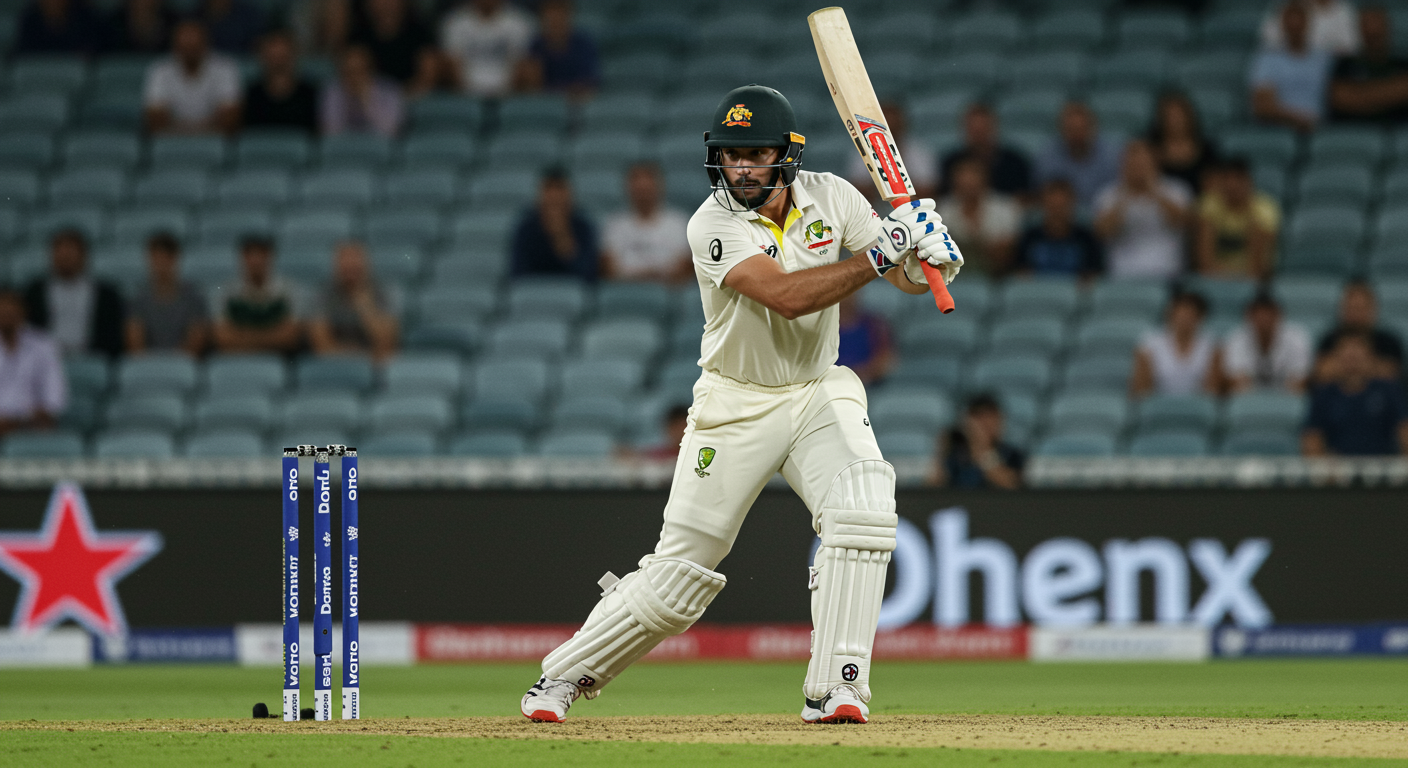
Cricket betting in India has experienced unprecedented growth, transforming from casual wagers among friends to sophisticated strategies leveraging complex data analysis. The diverse match formats available—from five-day Test matches to explosive T20 encounters—each present unique betting opportunities and challenges that require tailored approaches. Success in cricket betting demands more than intuition; it requires a systematic, data-driven methodology that accounts for India’s specific playing conditions, team dynamics, and market peculiarities.
This comprehensive guide delivers actionable insights for optimizing your cricket betting strategy across all formats popular in India. From understanding how pitch conditions in Mumbai differ from those in Chennai, to leveraging real-time data during IPL matches, we’ll explore the tactical nuances that separate profitable bettors from those who rely on luck. Whether you’re analyzing head-to-head records for India vs. Australia series or calculating value bets for domestic tournaments, the strategies outlined here will enhance your decision-making process and improve your long-term profitability.
Understanding Match Formats and Their Impact on Betting
Each cricket format presents distinct characteristics that fundamentally alter betting dynamics and risk profiles. Test matches unfold over five days with multiple sessions, creating opportunities for patient bettors who understand momentum shifts and weather interruptions. ODI matches offer balanced scoring opportunities with strategic phases, while T20 formats deliver high volatility and rapid momentum changes that can dramatically shift odds within minutes.
The betting markets available vary significantly across formats, with Test matches favoring session-based bets and draw possibilities, ODI matches emphasizing total runs and middle-order partnerships, and T20 games focusing on explosive individual performances and powerplay outcomes. Understanding these format-specific characteristics enables bettors to identify value opportunities that casual punters often overlook.
Successful cricket betting requires adapting your strategy to match the format’s inherent volatility and duration. Test matches reward patience and deep analysis of conditions, ODI matches benefit from understanding team strategies across different phases, and T20 formats demand quick decision-making and awareness of momentum shifts. The key lies in recognizing how each format’s unique rhythm affects player performance and market movements.
Indian conditions add another layer of complexity, with venues like Wankhede Stadium favoring high-scoring encounters while grounds in Chennai traditionally support spin bowling. These venue-specific factors interact differently with each format, creating opportunities for bettors who understand local playing conditions and their impact on match dynamics.
| Format | Typical Betting Markets | Volatility Factors | Strategic Considerations |
|---|---|---|---|
| Test Match | Match result, session betting, first innings totals, bowler props | Weather delays, pitch deterioration, draw potential | Focus on bowler performance, weather analysis, patience required |
| ODI | Total runs, top batsman, partnerships, method of dismissal | Middle-order collapses, death bowling, DLS method | Balanced approach, phase-specific analysis, team depth important |
| T20 | Batsman props, powerplay runs, sixes count, individual scores | Explosive batting, quick wickets, momentum swings | Focus on individual brilliance, quick decisions, high-risk rewards |
| IPL/Franchise | Player performance, team totals, eliminator bets, season props | Player form variations, team changes, venue rotations | Player tracking, team dynamics, venue-specific strategies |
Adapt Your Betting Strategy by Format
Format-specific betting strategies require understanding the unique rhythm and characteristics of each game type. Test matches demand patience and deep analysis, while T20 formats reward quick thinking and explosive player performance assessment. The key is aligning your betting approach with the natural flow and typical outcomes of each format.
Successful bettors develop distinct methodologies for each format, recognizing that a strategy effective for IPL T20 matches may fail completely when applied to Test cricket. This adaptation involves adjusting stake sizes, market selection, and time horizons to match the format’s inherent characteristics and volatility patterns.
Understanding team and player tendencies across different formats proves crucial for long-term success. Some players excel in Test conditions but struggle in T20 formats, while certain teams demonstrate strong ODI records but inconsistent T20 performance. These format-specific patterns create valuable betting opportunities for observant punters.
- Focus on momentum analysis for Test matches, tracking how teams respond to pressure situations across multiple sessions
- Emphasize middle-order strength in ODI betting, as partnerships between overs 15-40 often determine match outcomes
- Prioritize individual player props in T20 formats, where single performances can overshadow team dynamics
- Consider venue history extensively in all formats, as Indian grounds show distinct patterns favoring specific playing styles
- Adjust stake sizes according to format volatility, using smaller positions for high-variance T20 bets
- Leverage weather analysis more heavily in longer formats where interruptions create significant market movements
Common Pitfalls in Choosing Markets by Format
Many bettors fall into format-specific traps that can quickly erode their bankroll and undermine otherwise sound strategies. Understanding these common mistakes helps develop more disciplined approaches and avoid the emotional decision-making that often accompanies exciting cricket action.
The most frequent errors involve mismatching betting strategies to format characteristics, such as applying T20 volatility expectations to Test matches or underestimating draw possibilities in longer formats. These fundamental misunderstandings lead to poor market selection and inappropriate stake sizing that can devastate carefully built betting banks.
- Underestimating draw potential in Test matches, especially on traditional Indian pitches that deteriorate slowly
- Overbetting on T20 underdog victories without considering venue-specific advantages and team compositions
- Ignoring weather patterns when betting on longer formats, particularly during monsoon season affecting multiple match days
- Chasing losses with increased stakes in high-volatility T20 markets where outcomes can shift dramatically
- Focusing exclusively on batting props while overlooking bowling performance markets that often provide better value
Key Factors: Pitch, Weather, and Toss Analysis
Environmental conditions play a decisive role in cricket outcomes, making pitch and weather analysis essential components of successful betting strategies. Indian cricket presents unique challenges with diverse pitch conditions ranging from the spinning tracks of Chennai to the pace-friendly surfaces of Mohali, each requiring different analytical approaches and market selection strategies.
Weather patterns across India vary dramatically by region and season, with monsoon conditions in Mumbai creating different challenges than the dry heat of Rajasthan venues. Understanding these regional weather patterns and their impact on player performance, pitch behavior, and match duration provides significant advantages in both pre-match and in-play betting scenarios.
The toss assumes particular importance in Indian conditions, where pitch characteristics and weather forecasts can make batting first or second a crucial strategic decision. Teams’ toss preferences, historical performance when batting first or chasing, and captain tendencies all contribute to market movements that savvy bettors can exploit through careful pre-match analysis.
Modern technology provides unprecedented access to detailed pitch reports, weather forecasts, and historical performance data that can inform betting decisions. However, the key lies in synthesizing this information effectively and understanding how multiple environmental factors interact to influence match outcomes and market movements.
Successful bettors develop systematic approaches to environmental analysis, creating frameworks that consistently incorporate pitch conditions, weather forecasts, and toss implications into their betting decisions. This disciplined approach helps avoid the common mistake of overreacting to single factors while missing the broader environmental picture that shapes match dynamics.
| Factor | Effect on Match | Impact on Betting Outcomes | Predictive Tools |
|---|---|---|---|
| Pitch Conditions | Determines batting ease, bowling advantage, deterioration rate | Affects total runs markets, individual scores, match duration | Pitch reports, venue history, curator interviews |
| Weather Patterns | Swing conditions, interruptions, player comfort | Impacts over/under bets, match completion, team strategies | Weather apps, historical data, local forecasts |
| Toss Outcome | Batting order decision, strategic advantage | Shifts match winner odds, affects first innings markets | Team preferences, captain tendencies, conditions analysis |
| Humidity Levels | Ball swing, player stamina, field conditions | Influences bowling performance bets, session outcomes | Weather stations, historical swing data, venue-specific patterns |
| Wind Conditions | Ball movement, boundary distances, fielding challenges | Affects boundary count bets, individual scoring rates | Local weather services, ground-specific wind patterns |
| Ground Dimensions | Scoring rates, bowling strategies, fielding positions | Impacts total runs, six/four counts, bowling figures | Ground specifications, historical scoring patterns |
| Dew Factor | Evening bowling difficulties, batting advantages | Strongly favors teams batting second in day/night matches | Time of play, seasonal patterns, venue-specific dew formation |
How to Integrate Pitch and Weather into Your Bet Selection
Creating a systematic approach to environmental analysis ensures consistent decision-making and helps avoid the trap of overemphasizing single conditions while missing broader patterns. The most successful bettors develop checklists that systematically evaluate all relevant environmental factors before placing bets.
The integration process requires balancing multiple data sources and understanding how different conditions interact with team strengths and weaknesses. A pace-friendly pitch might favor one team’s bowling attack, but high humidity could neutralize that advantage by enabling swing bowling that favors the opposition’s skill set.
- Review official pitch reports and curator statements 24-48 hours before match start, comparing with historical venue data
- Analyze detailed weather forecasts including hourly breakdowns for temperature, humidity, wind, and precipitation chances
- Evaluate team and player records in similar conditions, focusing on recent performances rather than career statistics
- Assess how pitch conditions align with team strengths, particularly bowling attacks and batting lineups suited to specific conditions
- Consider time-of-day factors for day/night matches, especially dew formation patterns that can dramatically alter evening bowling conditions
Toss Outcomes: Strategic Betting Adjustments
The toss provides the first concrete information about team strategy and can create immediate opportunities for value betting as markets adjust to new information. Understanding team preferences and captain tendencies helps predict toss decisions and their likely impact on match dynamics.
Post-toss market movements often overreact to conventional wisdom about batting first or chasing, creating opportunities for bettors who understand the nuances of different venues and conditions. The key lies in having pre-prepared analysis of both possible toss outcomes and being ready to act quickly when markets move inefficiently.
- Monitor immediate post-toss odds movements, as markets often overreact to conventional batting first or chasing preferences
- Consider venue-specific toss impacts, as some Indian grounds heavily favor batting first while others benefit chasing teams
- Evaluate captain decision-making patterns, as some leaders consistently make predictable choices regardless of conditions
- Factor in format differences, where T20 tosses generally favor chasing teams but Test match tosses often preference batting first
- Assess weather forecast implications, as teams may choose to bat first to avoid potential rain interruptions later in the match
Advanced Statistical Analysis for Profitable Cricket Betting
Modern cricket betting success increasingly depends on sophisticated statistical analysis that goes beyond basic averages and win-loss records. The explosion of cricket data availability, particularly for Indian matches and players, enables bettors to identify patterns and trends that casual punters miss entirely. Performance databases now track everything from individual ball-by-ball data to complex situational statistics that reveal player and team tendencies under specific conditions.
Historical data analysis forms the foundation of value betting, helping identify discrepancies between market odds and statistical probabilities. Indian cricket provides rich datasets spanning decades of domestic and international matches, enabling predictive modeling that accounts for venue effects, seasonal patterns, and opposition strength. The key lies in developing systematic approaches to data collection and analysis that consistently inform betting decisions.
Predictive modeling techniques borrowed from professional sports analytics can significantly enhance cricket betting outcomes. Machine learning algorithms can process vast amounts of historical data to identify subtle patterns in player performance, team dynamics, and match conditions that human analysis might overlook. However, successful implementation requires understanding both the strengths and limitations of statistical models in cricket’s complex and sometimes unpredictable environment.
Value betting calculations become more sophisticated when incorporating multiple statistical factors and properly accounting for correlation effects between different outcomes. Simple probability calculations often underestimate the complex interactions between pitch conditions, team form, player matchups, and external factors that influence cricket matches. Advanced statistical approaches help quantify these interactions and identify genuine value opportunities in cricket betting markets.
Essential Data Sources for Indian Cricket Bettors
Access to comprehensive and reliable data sources forms the backbone of successful statistical analysis in cricket betting. The quality and depth of available data for Indian cricket has improved dramatically in recent years, with detailed scorecards, player statistics, and match conditions now readily available for analysis. Building a robust data collection system enables consistent analysis and helps identify patterns that casual observation might miss.
Professional bettors typically combine multiple data sources to create comprehensive pictures of teams, players, and conditions. Free resources provide excellent starting points, while premium services offer more detailed analysis and predictive insights. The key lies in finding the right balance between cost and value, focusing on data sources that provide actionable insights rather than simply overwhelming amounts of information.
Real-time data feeds become crucial for in-play betting strategies, where rapid market movements require immediate access to current match situations and statistical context. Live scoring services that provide ball-by-ball updates, player statistics, and situational data enable quick decision-making during matches. However, the challenge lies in processing this information quickly and accurately while maintaining disciplined betting approaches.
- Comprehensive cricket databases like ESPN Cricinfo and Statsguru for historical player and team performance data
- Live scoring platforms such as Cricbuzz and official tournament apps providing real-time match updates and statistics
- Weather services offering detailed forecasts and historical weather patterns for Indian cricket venues
- Betting odds comparison sites that track market movements and identify value opportunities across multiple bookmakers
- Social media monitoring tools for team news, injury updates, and player form insights from official sources
- Pitch and venue analysis resources including ground-specific statistics and curator interviews
Bankroll Management and Responsible Gambling
Effective bankroll management represents the cornerstone of sustainable cricket betting, determining the difference between long-term success and inevitable failure regardless of analytical skills. The volatile nature of cricket, particularly in Indian conditions where matches can shift dramatically within short periods, demands disciplined approach to stake sizing and risk management. Professional bettors consistently emphasize that superior bankroll management can overcome moderate analytical abilities, while poor money management will eventually destroy even the most insightful betting strategies.
Staking models provide systematic frameworks for determining appropriate bet sizes based on confidence levels, bankroll size, and expected value calculations. The Kelly Criterion offers mathematically optimal stake sizing for value bets, while proportional staking provides more conservative approaches suitable for recreational bettors. Understanding the strengths and limitations of different staking systems enables bettors to select approaches that match their risk tolerance and betting frequency.
Responsible gambling principles become particularly important in cricket betting due to the sport’s emotional appeal and the frequency of matches during tournament periods like the IPL. The combination of exciting action, national pride, and readily available betting markets can lead to impulsive decisions and stake sizes that exceed comfortable loss limits. Establishing clear boundaries and systematic review processes helps maintain perspective and prevents betting from becoming problematic.
Sustainability in cricket betting requires balancing aggressive growth strategies with capital preservation, recognizing that even the most successful bettors experience losing streaks that can test their discipline and emotional control. Long-term success comes from consistent application of proven strategies rather than attempting to recover losses through increased stake sizes or risky bet selections.
The psychological aspects of bankroll management often prove more challenging than the mathematical calculations, particularly during extended losing periods or after significant wins. Developing emotional discipline and maintaining systematic approaches regardless of recent results separates professional-level bettors from those who rely on gut feelings and emotional reactions to market movements.
| Strategy | Pros | Cons | Recommended For |
|---|---|---|---|
| Fixed Staking | Simple, emotionally stable, easy to track | Doesn’t optimize for value, slower growth potential | Beginners, conservative bettors, emotional control issues |
| Proportional Staking | Scales with bankroll, reduces ruin risk, flexible | Complex calculations, requires discipline | Intermediate bettors, growing bankrolls |
| Kelly Criterion | Mathematically optimal, maximizes long-term growth | High volatility, requires accurate edge assessment | Experienced bettors, strong analytical skills |
| Unit System | Confidence-based, easy communication, flexible | Subjective unit sizing, potential for overconfidence | Social bettors, tipster followers, varied bet types |
| Progressive Staking | Can recover losses quickly, exciting during wins | High ruin probability, emotionally dangerous | Generally not recommended, short-term players |
| Value-Based Staking | Optimizes for expected value, logical approach | Requires accurate probability assessment, complex | Advanced bettors, statistical analysis experts |
Common Mistakes in Bankroll Discipline
Bankroll discipline failures often stem from emotional decision-making during periods of success or failure, when the temptation to deviate from systematic approaches becomes strongest. Understanding these common pitfalls helps develop awareness and prevention strategies that maintain long-term sustainability even during challenging periods.
The most destructive mistakes typically involve abandoning proven systems during losing streaks or becoming overconfident after winning periods. These emotional responses to variance can quickly erode carefully built bankrolls and undermine months or years of disciplined betting behavior.
- Chasing losses with progressively larger stakes, abandoning systematic staking models during losing streaks
- Overconfidence betting after winning streaks, increasing stake sizes beyond comfortable risk levels
- Failing to separate cricket betting funds from personal finances, risking money needed for essential expenses
- Ignoring predetermined stop-loss limits, continuing to bet when daily or weekly loss thresholds are exceeded
- Mixing different betting strategies without adjusting bankroll allocation, leading to inconsistent risk management
Step-by-Step Plan for Sustainable Betting
Creating sustainable betting practices requires systematic planning and consistent execution of predetermined strategies regardless of short-term results. The most successful bettors follow structured approaches that remove emotional decision-making from critical bankroll management decisions.
A comprehensive sustainability plan addresses all aspects of cricket betting from initial bankroll determination through ongoing performance review and strategy refinement. This systematic approach helps maintain perspective during both winning and losing periods while ensuring that betting remains enjoyable rather than problematic.
Regular review and adjustment processes enable continuous improvement while maintaining core discipline around risk management and staking strategies. The key lies in balancing systematic approaches with enough flexibility to adapt to changing circumstances and improved understanding of cricket betting markets.
- Establish dedicated betting bankroll separate from personal finances, using only money you can afford to lose completely
- Set clear daily, weekly, and monthly loss limits as percentages of total bankroll, with automatic stop-loss triggers
- Choose appropriate staking model based on experience level and risk tolerance, starting conservatively until proven success
- Create detailed record-keeping system tracking all bets, outcomes, reasoning, and emotional state during decision-making
- Schedule regular performance reviews analyzing both financial results and decision-making quality, identifying improvement areas
- Implement cooling-off periods after significant losses or wins to prevent emotional decision-making affecting future bets
Optimizing Odds and Market Selection
Market selection and odds optimization represent critical skills that separate profitable cricket bettors from those who consistently lose money over time. The diversity of betting markets available for Indian cricket matches creates both opportunities and challenges, with some markets offering consistent value while others routinely favor the bookmakers. Understanding which markets provide the best combination of predictability and value requires extensive experience and systematic analysis of market efficiency across different bet types.
Odds shopping has become essential in the competitive cricket betting landscape, where slight differences in odds can significantly impact long-term profitability. The proliferation of betting platforms serving Indian customers creates opportunities to find the best available odds for specific bets, but also requires systematic approaches to compare offerings quickly and efficiently. Professional bettors often maintain accounts with multiple bookmakers specifically to optimize their odds selection.
Indian cricket betting markets exhibit unique characteristics influenced by local betting preferences, regulatory environments, and the massive popularity of cricket in the region. Markets like individual player performances, specific over outcomes, and match method betting often provide better value than traditional match winner markets that attract the most casual betting volume. Understanding these market dynamics helps identify consistently profitable opportunities.
The efficiency of different betting markets varies significantly, with some markets like match winners receiving extensive analysis and sharp money, while niche markets such as specific bowling figures or partnership durations may be less efficiently priced. This market efficiency gradient creates opportunities for bettors who understand where to find value and which markets to avoid due to unfavorable margins or information disadvantages.
| Market Type | Description | Volatility | Value Opportunities |
|---|---|---|---|
| Match Winner | Predict which team wins the match | Moderate | Limited due to market efficiency |
| Total Runs | Over/under team or match run totals | High | Good for pitch and weather analysis |
| Top Batsman | Highest individual score in match | Very High | Form analysis and batting order insights |
| Player Performance | Individual runs, wickets, catches | High | Excellent for specialist player knowledge |
| Method of Dismissal | How specific batsmen will be out | Very High | Bowling style and batsman tendency analysis |
| Session Betting | Outcomes within specific time periods | Moderate | Strong for Test match momentum analysis |
| Partnership Runs | Runs scored by specific batting pairs | High | Historical partnership data and compatibility |
How to Shop for Best Odds in the Indian Market
Systematic odds comparison requires establishing efficient workflows that quickly identify the best available prices across multiple betting platforms. The time-sensitive nature of cricket betting, particularly during live matches, demands streamlined processes that can rapidly compare odds without missing valuable opportunities.
Professional cricket bettors often use odds comparison tools and maintain spreadsheets tracking typical odds offerings from different bookmakers for various bet types. This historical analysis helps identify which platforms consistently offer the best prices for specific market types, enabling more efficient odds shopping during actual betting situations.
- Establish accounts with 3-5 reputable bookmakers known for competitive cricket odds and reliable payouts
- Use odds comparison websites and apps to quickly identify best available prices for specific bets before placement
- Track historical odds patterns from different bookmakers to identify which platforms typically offer best prices for specific market types
- Set up automated alerts for significant odds movements on matches you’re considering betting, enabling quick response to value opportunities
- Calculate break-even points accounting for different odds levels to determine when odds shopping justifies the additional effort required
- Maintain adequate funds across multiple platforms to capitalize on best odds without delays from deposit requirements
Unique Market Angles for Indian Cricket Bettors
Indian cricket betting markets offer unique opportunities that reflect local knowledge and betting preferences, creating value opportunities for bettors who understand cultural and cricket-specific factors that international markets may overlook. These niche markets often receive less analytical attention from bookmakers, creating potential inefficiencies that informed bettors can exploit.
Regional knowledge of Indian players, venues, and conditions provides significant advantages in markets that require deep understanding of local factors. Betting markets related to specific player achievements, venue records, or cultural milestones often reflect broader betting sentiment rather than precise statistical analysis, creating opportunities for value-oriented bettors.
The massive popularity of individual players in Indian cricket creates unique market dynamics where star player performance markets may be influenced more by public sentiment than statistical probability, while lesser-known player markets might offer better value due to reduced public attention and more efficient pricing.
- Regional player performance markets that leverage local knowledge of playing styles and home venue advantages
- Weather-specific betting angles unique to Indian conditions, such as dew factor impacts in day/night matches
- Cultural milestone markets around player achievements, centuries, or career records that may be overpriced due to sentimental value
- Venue-specific markets that capitalize on detailed knowledge of ground characteristics and historical patterns
- Format transition markets focusing on player performance differences between domestic and international cricket
- Tournament progression markets that account for team travel, schedule congestion, and player rotation policies unique to Indian cricket
In-Play Betting Tactics: Leveraging Real-Time Data
In-play betting represents the most dynamic and potentially profitable aspect of cricket betting, where real-time match developments create continuous opportunities for value-oriented wagering. The fluid nature of cricket, with momentum shifts, weather interruptions, and tactical changes occurring throughout matches, generates constant market movement that skilled bettors can exploit through careful observation and quick decision-making.
Success in live cricket betting requires developing systematic approaches to processing real-time information while maintaining disciplined staking and market selection strategies. The excitement of live action can lead to impulsive decisions that undermine carefully planned betting strategies, making emotional control and systematic analysis even more critical than in pre-match betting scenarios.
Real-time data feeds provide unprecedented insight into match dynamics, but the key lies in interpreting this information correctly and understanding how current situations affect future probabilities. Ball-by-ball analysis, player form tracking, and momentum assessment become crucial skills for identifying profitable in-play opportunities while avoiding the numerous traps that can ensnare undisciplined bettors.
- Monitor run rate patterns and identify periods when teams exceed or fall below expected scoring rates based on conditions and opposition bowling
- Track individual player performance trends within matches, capitalizing on hot streaks or poor form that markets may be slow to reflect accurately
- Leverage weather interruption opportunities when markets may not fully price in resumption conditions or revised target implications
- Exploit momentum shifts during key periods like powerplays or death overs when market odds may lag behind rapidly changing match dynamics
- Identify bowling change impacts where new bowler introductions create immediate scoring rate changes that markets haven’t fully absorbed
- Capitalize on wicket-taking clusters when batting collapses create rapidly moving odds that may overshoot realistic probability changes
- Utilize partnership analysis to predict breakthrough moments when stable partnerships may be vulnerable to specific bowling matchups or tactical changes
Risks and Rewards of In-Play Betting in Indian Matches
In-play betting in Indian cricket presents unique risk-reward dynamics influenced by the passionate fan base, unpredictable playing conditions, and the high-stakes nature of major tournaments. The emotional intensity surrounding cricket in India can create market inefficiencies as casual bettors react emotionally to match developments, but these same factors can trap disciplined bettors who fail to account for the unique pressures and dynamics of Indian cricket.
The rewards of successful in-play betting can be substantial, as markets often overreact to short-term developments while skilled bettors can maintain longer-term perspectives on likely outcomes. However, the risks include emotional decision-making, rapid market movements that create execution challenges, and the tendency for exciting cricket action to encourage larger stakes than systematic bankroll management would suggest.
Managing these competing forces requires developing specific skills around emotional control, rapid analysis, and systematic decision-making under pressure. The most successful in-play bettors create frameworks that help them process real-time information quickly while maintaining the discipline necessary for long-term profitability.
| Risk Factor | Potential Upside | Mitigation Steps |
|---|---|---|
| Emotional Decision-Making | Can exploit others’ emotional reactions for value opportunities | Predetermined betting limits and systematic analysis frameworks |
| Rapid Market Changes | Quick profits from correctly anticipating momentum shifts | Fast execution systems and pre-planned response strategies |
| Information Overload | Superior analysis can identify overlooked value opportunities | Focus on key metrics and ignore irrelevant data streams |
| Stake Size Creep | Exciting opportunities may justify larger position sizes | Strict adherence to bankroll management regardless of excitement level |
| Technical Execution Issues | Reliable systems enable capitalizing on brief value windows | Backup systems and tested technology before match starts |
Long-Term Strategy: Specialization, Arbitrage, and Tracking Performance
Long-term success in cricket betting requires developing sustainable strategies that consistently generate profits over extended periods rather than focusing on short-term gains or recovery from losses. Specialization in specific aspects of cricket betting allows bettors to develop deep expertise that creates lasting competitive advantages over casual punters and even semi-professional bettors who spread their attention across multiple sports or betting approaches.
Arbitrage opportunities in cricket betting arise from pricing discrepancies between different bookmakers or markets, providing risk-free profits for bettors who can identify and execute these opportunities quickly. While pure arbitrage situations are relatively rare in competitive cricket markets, understanding arbitrage principles helps identify near-risk-free betting opportunities and improves overall market assessment skills.
Performance tracking forms the foundation of long-term improvement, providing objective feedback on betting decisions and identifying patterns in both successful and unsuccessful wagering strategies. Comprehensive record-keeping enables systematic analysis of what works, what doesn’t, and how different approaches perform under various market conditions and cricket scenarios.
The most successful long-term cricket bettors develop systematic approaches to strategy refinement that incorporate regular performance reviews, market analysis, and adaptation to changing conditions in both cricket and betting markets. This continuous improvement mindset helps maintain profitability as markets become more efficient and competition increases among betting participants.
- Choose specific areas of cricket betting expertise based on personal interests and analytical strengths, such as player performance props or specific tournament formats
- Develop comprehensive databases tracking all betting decisions with detailed reasoning, outcomes, and lessons learned from both wins and losses
- Implement regular performance review cycles analyzing both financial results and decision-making quality to identify improvement opportunities
- Create systematic processes for monitoring arbitrage opportunities across multiple bookmakers and market types without compromising core betting strategies
- Establish clear benchmarks for success that go beyond simple profit/loss calculations to include risk-adjusted returns and consistency metrics
- Build networks with other serious cricket bettors for information sharing and strategy discussion while maintaining competitive advantages
- Continuously educate yourself about cricket developments, betting market evolution, and analytical techniques that could improve long-term performance
How to Analyze and Refine Your Cricket Betting Strategy
Strategic analysis and refinement require systematic approaches to evaluating both successful and unsuccessful betting decisions, identifying patterns that indicate areas for improvement or strategies worth expanding. The key lies in separating outcome bias from decision quality, recognizing that good betting decisions can result in losses while poor decisions sometimes produce winning outcomes due to cricket’s inherent unpredictability.
Regular strategy review sessions should examine betting performance across different dimensions including match types, market selection, stake sizing, and timing of bet placement. This multifaceted analysis helps identify specific areas where improvements can generate meaningful increases in long-term profitability while avoiding changes based on short-term variance or emotional reactions to recent results.